About
BLOG

Interested in a little light reading?

Our blog is continually updated with helpful educational information, advises, research and insights—all in the name of helping you level-up your color and appearance needs. Grab a drink and enjoy our stories!

Explore Our Stories
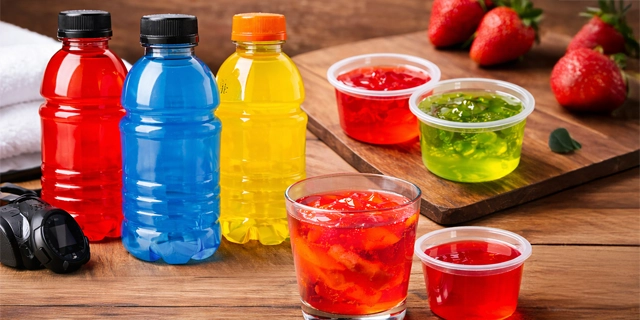
bottles-of-sports-drinks-and-cups-of-Jell-O-on-a-table

"Why Color Clarity Matters More Than Ever in the Shift to Natural Dyes"

Read More

Explore Our Products

VIEW MORE

bottles-of-sports-drinks-and-cups-of-Jell-O-on-a-table

"Why Color Clarity Matters More Than Ever in the Shift to Natural Dyes"

Read More
bottles-of-sports-drinks-and-cups-of-Jell-O-on-a-table

"Why Color Clarity Matters More Than Ever in the Shift to Natural Dyes"

Read More
bottles-of-sports-drinks-and-cups-of-Jell-O-on-a-table

"Why Color Clarity Matters More Than Ever in the Shift to Natural Dyes"

Read More
bottles-of-sports-drinks-and-cups-of-Jell-O-on-a-table

"Why Color Clarity Matters More Than Ever in the Shift to Natural Dyes"

Read More
food-dinner-lemon-rice-large.jpg

"Spectrophotometric Determination of Fish Freshness Protects Consumer Health"

Read More
6952756877_54067147a0_z.jpg

"Quality Control with UV-VIS Spectrophotometry: Analysis Applications in Beer"

Read More

Why Color Clarity Matters More Than Ever in the Shift to Natural Dyes

Posted on Jan 27, 2026 by HunterLab

If you're reformulating food products with natural dyes, you already know this isn't just a color conversation. It's also about clarity.

Today’s consumers want clean labels, but they also expect the vibrant, crystal-clear appearance they’ve always trusted. That’s why measuring both color and haze has become essential in food quality control, especially for transparent products like gelatin desserts and sports drinks.

At HunterLab, we understand that true visual quality isn't just about hue. It's about how that hue is seen. That’s why our Vista® spectrophotometer captures both color and haze in a single measurement, helping manufacturers navigate reformulation with confidence. Showing that we recognize replacing synthetic colors with natural colors is just not about finding a replacement color; it is about finding a natural color that will work in your product.

The Shift: From Synthetic Dyes to Natural Alternatives

Across the Food and Beverage industries, major food brands are stepping up to remove synthetic dyes, driven by federal initiatives and evolving consumer expectations. One iconic brand has already begun a multi-year journey to remove artificial colorants from its gelatin and powdered drink lines. The move reflects a broader industry trend: reduce, replace, and reinvent color systems using natural ingredients.

Sounds simple. But it's not.

Unlike synthetic dyes, natural pigments often don’t dissolve cleanly in water-based systems. They bring microscopic particles, create protein-polyphenol interactions, and can become unstable in acidic conditions. The result? A haze that dulls the product’s clarity—even when the color is technically “correct.”

Posted in Color In Food Industry

Why Color Clarity Matters More Than Ever in the Shift to Natural Dyes

Posted on Jan 26, 2026 by HunterLab

If you're reformulating food products with natural dyes, you already know this isn't just a color conversation. It's also about clarity.

Today’s consumers want clean labels, but they also expect the vibrant, crystal-clear appearance they’ve always trusted. That’s why measuring both color and haze has become essential in food quality control, especially for transparent products like gelatin desserts and sports drinks.

At HunterLab, we understand that true visual quality isn't just about hue. It's about how that hue is seen. That’s why our Vista® spectrophotometer captures both color and haze in a single measurement, helping manufacturers navigate reformulation with confidence. Showing that we recognize replacing synthetic colors with natural colors is just not about finding a replacement color; it is about finding a natural color that will work in your product.

The Shift: From Synthetic Dyes to Natural Alternatives

Across the Food and Beverage industries, major food brands are stepping up to remove synthetic dyes, driven by federal initiatives and evolving consumer expectations. One iconic brand has already begun a multi-year journey to remove artificial colorants from its gelatin and powdered drink lines. The move reflects a broader industry trend: reduce, replace, and reinvent color systems using natural ingredients.

Sounds simple. But it's not.

Unlike synthetic dyes, natural pigments often don’t dissolve cleanly in water-based systems. They bring microscopic particles, create protein-polyphenol interactions, and can become unstable in acidic conditions. The result? A haze that dulls the product’s clarity—even when the color is technically “correct.”

Posted in Color In Food Industry

Why Color Clarity Matters More Than Ever in the Shift to Natural Dyes

Posted on Jan 26, 2026 by HunterLab

If you're reformulating food products with natural dyes, you already know this isn't just a color conversation. It's also about clarity.

Today’s consumers want clean labels, but they also expect the vibrant, crystal-clear appearance they’ve always trusted. That’s why measuring both color and haze has become essential in food quality control, especially for transparent products like gelatin desserts and sports drinks.

At HunterLab, we understand that true visual quality isn't just about hue. It's about how that hue is seen. That’s why our Vista® spectrophotometer captures both color and haze in a single measurement, helping manufacturers navigate reformulation with confidence. Showing that we recognize replacing synthetic colors with natural colors is just not about finding a replacement color; it is about finding a natural color that will work in your product.

The Shift: From Synthetic Dyes to Natural Alternatives

Across the Food and Beverage industries, major food brands are stepping up to remove synthetic dyes, driven by federal initiatives and evolving consumer expectations. One iconic brand has already begun a multi-year journey to remove artificial colorants from its gelatin and powdered drink lines. The move reflects a broader industry trend: reduce, replace, and reinvent color systems using natural ingredients.

Sounds simple. But it's not.

Unlike synthetic dyes, natural pigments often don’t dissolve cleanly in water-based systems. They bring microscopic particles, create protein-polyphenol interactions, and can become unstable in acidic conditions. The result? A haze that dulls the product’s clarity—even when the color is technically “correct.”

Posted in Color In Food Industry

Why Color Clarity Matters More Than Ever in the Shift to Natural Dyes

Posted on Jan 26, 2026 by HunterLab

If you're reformulating food products with natural dyes, you already know this isn't just a color conversation. It's also about clarity.

Today’s consumers want clean labels, but they also expect the vibrant, crystal-clear appearance they’ve always trusted. That’s why measuring both color and haze has become essential in food quality control, especially for transparent products like gelatin desserts and sports drinks.

At HunterLab, we understand that true visual quality isn't just about hue. It's about how that hue is seen. That’s why our Vista® spectrophotometer captures both color and haze in a single measurement, helping manufacturers navigate reformulation with confidence. Showing that we recognize replacing synthetic colors with natural colors is just not about finding a replacement color; it is about finding a natural color that will work in your product.

The Shift: From Synthetic Dyes to Natural Alternatives

Across the Food and Beverage industries, major food brands are stepping up to remove synthetic dyes, driven by federal initiatives and evolving consumer expectations. One iconic brand has already begun a multi-year journey to remove artificial colorants from its gelatin and powdered drink lines. The move reflects a broader industry trend: reduce, replace, and reinvent color systems using natural ingredients.

Sounds simple. But it's not.

Unlike synthetic dyes, natural pigments often don’t dissolve cleanly in water-based systems. They bring microscopic particles, create protein-polyphenol interactions, and can become unstable in acidic conditions. The result? A haze that dulls the product’s clarity—even when the color is technically “correct.”

Posted in Color In Food Industry

Why Color Clarity Matters More Than Ever in the Shift to Natural Dyes

Posted on Jan 26, 2026 by HunterLab

If you're reformulating food products with natural dyes, you already know this isn't just a color conversation. It's also about clarity.

Today’s consumers want clean labels, but they also expect the vibrant, crystal-clear appearance they’ve always trusted. That’s why measuring both color and haze has become essential in food quality control, especially for transparent products like gelatin desserts and sports drinks.

At HunterLab, we understand that true visual quality isn't just about hue. It's about how that hue is seen. That’s why our Vista® spectrophotometer captures both color and haze in a single measurement, helping manufacturers navigate reformulation with confidence. Showing that we recognize replacing synthetic colors with natural colors is just not about finding a replacement color; it is about finding a natural color that will work in your product.

The Shift: From Synthetic Dyes to Natural Alternatives

Across the Food and Beverage industries, major food brands are stepping up to remove synthetic dyes, driven by federal initiatives and evolving consumer expectations. One iconic brand has already begun a multi-year journey to remove artificial colorants from its gelatin and powdered drink lines. The move reflects a broader industry trend: reduce, replace, and reinvent color systems using natural ingredients.

Sounds simple. But it's not.

Unlike synthetic dyes, natural pigments often don’t dissolve cleanly in water-based systems. They bring microscopic particles, create protein-polyphenol interactions, and can become unstable in acidic conditions. The result? A haze that dulls the product’s clarity—even when the color is technically “correct.”

Posted in Color In Food Industry

Spectrophotometric Determination of Fish Freshness Protects Consumer Health

Posted on Jan 23, 2026 by HunterLab

人类作为高度视觉化的生物进化而来,将色彩视为最重要的安全信号之一。从红色的停车灯到色彩鲜艳的蛇,色彩如同即时的本能警报,警示我们潜在的危险。这种将色彩作为安全指示器的用法,或许最鲜明的例证就是从冰箱取出鱼块时那句询问:"这看起来还好吗?"

与许多色彩与感知的关系不同,鱼类颜色与食品安全之间的关联性相对线性;尽管即便是专家在盲品中也可能无法区分白葡萄酒与红葡萄酒,但你可以相当确定:如果鱼看起来有问题,那它确实有问题。 颜色变化本身是特定生物事件序列的指示器,该过程在死亡后几乎立即启动。正如诺莱特与福德拉在《海产品与海产品分析手册》中所指出的:

新捕捞上岸的鱼类外观令人难忘,其精妙交织的绚丽色彩令人赏心悦目,作为食物更是令人难以抗拒。然而死亡仅数小时后,其外形便不再那么引人注目,而此刻"平凡"的色泽却更符合大众的普遍认知。1

同样常见的是变质鱼制品的外观:暗淡无光、毫无生机、正在腐烂,且可能引发食物中毒。

但鱼类新鲜度的判定并非仅取决于个体消费者;整个海鲜行业必须在整个供应链中评估产品质量与安全,尤其在可追溯性日益受到关注的当下。

分光光度仪为判定鱼类新鲜度提供了客观依据。图片来源:Pexels用户Steyn Viljoen

Posted in Color In Food Industry

Quality Control with UV-VIS Spectrophotometry: Analysis Applications in Beer

Posted on Jan 23, 2026 by HunterLab

紫外-可见分光光度技术助力啤酒生产与研发过程中的质量监控。从色泽到风味,该技术确保企业产品能满足消费者需求。图片来源:Flickr用户Lindsey G

让我们聊聊啤酒。啤酒起源于古代美索不达米亚,此后便成为成人饮品中经久不衰的选择。从大型工业啤酒厂到小型精酿酒坊,质量控制始终是制造商在竞争激烈的市场中立足的关键。但这些生产商究竟依靠什么来确保您钟爱的皮尔森啤酒安全无虞?

啤酒产品的品质受诸多因素影响,从酿造工艺到原料选择皆然。分光光度技术因能提供快速精准的测量结果且应用广泛,已成为质量监控的常用手段;研究人员几乎每天都在探索分光光度计的新应用领域。 紫外-可见分光光度法可评估多种参数,如色泽、风味、苦味及总碳水化合物含量。掌握这些数据使生产商能对照定量标准评估产品并及时调整配方。全球领先的酿酒企业均采用分光光度技术维持产品品质与品牌声誉,该技术在啤酒酿造与产品研发领域仍展现出广阔的应用前景。

Posted in Color In Food Industry
Prev
1
2
3
…
Next

Most Related Posts

  • Why Color Clarity Matters More Than Ever in the Shift to Natural Dyes
  • Why Color Clarity Matters More Than Ever in the Shift to Natural Dyes
  • Why Color Clarity Matters More Than Ever in the Shift to Natural Dyes
  • Why Color Clarity Matters More Than Ever in the Shift to Natural Dyes
  • Why Color Clarity Matters More Than Ever in the Shift to Natural Dyes
  • Spectrophotometric Determination of Fish Freshness Protects Consumer Health
  • Quality Control with UV-VIS Spectrophotometry: Analysis Applications in Beer
View More Related Posts

Follow us on social

  • LinkedInFollow us on LinkedIn
  • YouTubeFollow us on YouTube
  • facebookFollow us on Facebook
  • XFollow us on X (formerly Twitter)
  • instagramFollow us on Instagram